

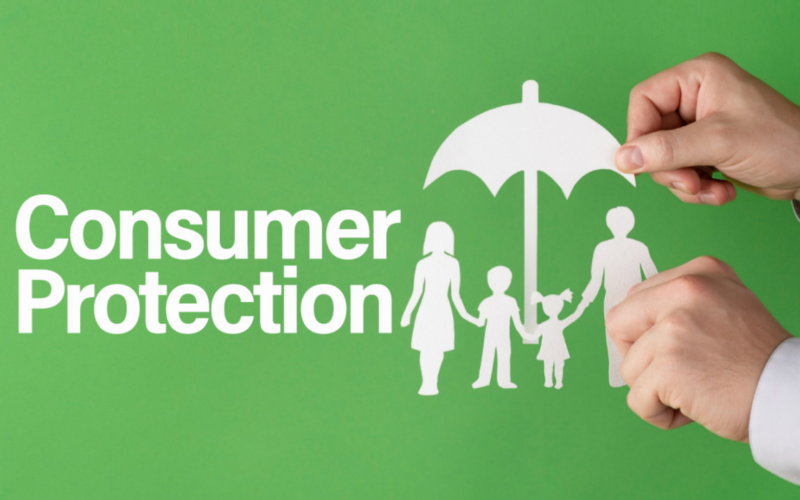
New York Governor Kathy Hochul has enacted a sweeping consumer protection package into law as part of the FY 2026 state budget. This set of laws is designed to help New Yorkers save cash, increase transparency in digital markets, and curb unfair business tactics impacting a range of everyday experiences, from subway fares to e-commerce purchases.
The legislation addresses nationwide challenges that especially impact NYC residents, such as rising costs for subscriptions, tricky return processes, unclear online prices, and the risks associated with products like “Buy Now, Pay Later.” Here’s an overview of what’s changing for you and your spending in the city.
1. Streamlined Subscription Cancellations for New Yorkers
With so many services available, from gym memberships to streaming, canceling in NYC has often been a struggle.
The new regulation requires that canceling subscriptions is just as straightforward as signup, featuring transparent instructions and early renewal warnings. This move helps New Yorkers avoid extra charges and supports those managing tight finances.
2. Transparent Online Return and Refund Rules
E‑shopping is huge in the city, but inconsistent return rules mean confusion and unnecessary trips to the post office or UPS.
Going forward, online retailers must clearly outline their return periods and refund details before checkout, allowing buyers to compare and eliminate surprises, thus introducing uniformity for millions of local shoppers.
3. Oversight for Buy Now, Pay Later (BNPL) Offers
“Buy Now, Pay Later” loans can be convenient, but often come with unforeseen charges and vague conditions that result in credit trouble.
The legislation mandates a licensing system and new safeguards for BNPL operators, ensuring upfront disclosure, fee caps, and options to resolve issues, giving residents vital consumer protection.
4. Transparency Around Personalized Pricing
Noticed different online prices compared to others? That’s a result of so-called surveillance pricing, where your browsing data influences offers you see.
Under the new rule, companies must notify customers if prices are being set based on personal data, strengthening the ability for consumers to make informed choices. This is a pioneering measure few states have.
5. Limits on Overdraft Fees
Excessive overdraft fees continue to strain many working New Yorkers, especially when unexpected expenses arise.
With new restrictions, banks are required to limit exploitative fees, place daily caps, and improve communications—making it easier for people to manage everyday finances.
Impact for City Residents
Amid ever-increasing living costs, these legislative efforts fit into a wider affordability agenda featuring tax reductions and potential inflation rebates now progressing in the state.
Whether you’re shopping online, living on retirement income, or managing multiple subscriptions, these laws aim to protect your wallet and promote fairness across NYC.
FAQ
Are these protections only for online activity?
No—while some relate to internet purchases, most are applicable to both online and brick-and-mortar transactions.
When do the new laws begin?
Most changes coincide with the FY 2026 budget timeline, with phased implementation during 2026.
Are local NYC businesses impacted?
Yes, both retailers and service entities need to meet new transparency and disclosure requirements, possibly including updates to digital platforms and receipts.
Keep following NYC News Network for more on how these changes roll out and what they mean for day-to-day life in New York City.
















Leave a Reply
You must be logged in to post a comment.