

Yes—What You Eat Affects Your Mood
It’s true. Anyone who’s ended a rough day with a bowl of Haagen-Dazs has felt it — and research agrees. Many studies over the last quarter-century confirm that a nutritious, well-balanced diet offers significant protection from depression.
Naturally, various foods alter mood in distinct ways. Starches may help calm you when you’re frazzled, protein might wake you up if you’re feeling sluggish, and sugar or fat brings temporary relief when anxious. However, these effects aren’t as obvious as those from alcohol, drugs, or caffeine, and they might be challenging to pinpoint. The effectiveness can also depend on timing, and not all foods work equally well.
What Should I Have When Stressed?
If it’s been some hours since you last ate, a simple carbohydrate snack can help you relax. When carbs are consumed, your pancreas produces insulin, which assists in processing and moves certain amino acids (the components of protein) from your blood into body tissues. Tryptophan is left behind and, with less competition, more of it enters your brain. There, it’s converted into serotonin, helping to stabilize mood. Increased carb intake leads to increased serotonin and a more sedate feeling — the reason you often want to nap post-pasta.
For this to work, eat the starchy snack on an empty stomach, without protein or fat, and give your body about 30 minutes to process it. Avoid fat as it slows digestion, weakening or delaying the effects, and protein as it brings extra amino acids into the blood, interrupting the process. The best options: a plain baked potato (with salsa is fine, but skip the butter and sour cream), unbuttered popcorn, low-fat crackers, or jam on toast.
How Can I Beat That Midday Slump?
Adding some meatballs to your pasta lunch will keep you from getting drowsy. Eating protein introduces more amino acids, which vie with tryptophan for access to the brain, preventing that sleepy feeling. Serve your pasta with lean meats or a bit of low-fat cheese, and you should stay bright for the afternoon, provided you avoid heavy cream sauces that sap energy as your body works to digest them.
Do Foods Have Long-Term Effects on Mood?
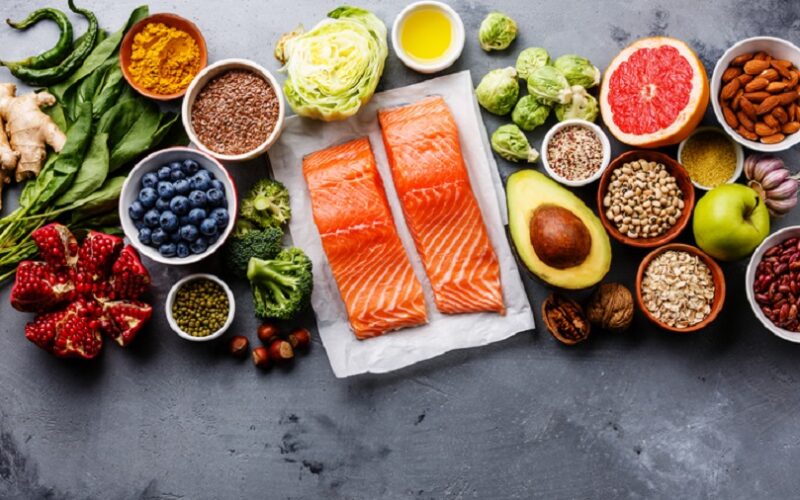
The impact of diet on mood continues to be a topic of discovery. Researchers have identified omega-3 fatty acids — abundant in fatty fish like salmon and tuna and seeds such as flax — as vital for proper brain function and potentially helpful in preventing mood issues like depression and bipolar disorder. Studies involving children also link diets high in omega-3s to improved behavior and fewer behavioral problems.
Why Do Sweets Make Us Feel Better?
Much like sugar water calms a crying baby, a sugary, creamy dessert can quickly soothe an anxious grown-up. Sugar and fat cause your brain to release endorphins, which are natural chemicals akin to morphine, spreading pleasurable sensations. Chocolate acts as the ultimate comfort food because, on top of sugar and fat, it provides small amounts of caffeine and a related substance called theobromine, possibly adding a subtle lift to the endorphin rush.















Leave a Reply